
-26.png)

Typography: The Personality of Effective Branding
Updated: Aug 25
Mastering them not only enhances your creative abilities but also positions you as a skilled professional in the competitive design world.
Note: Some of the links in this post are affiliate links. This means if you click on the link and purchase the item, HiDesine may receive a small commission at no extra cost to you. We only recommend tools we genuinely use and love.
How does typography affect brand personality and what is the best way to choose fonts for your business branding?
Typography establishes your brand personality by using specific font styles—such as bold sans-serifs for modern authority or elegant serifs for timeless trust—to communicate your brand's voice and values to your audience before they even read a single word. At HiDesine, we know that for Canadian entrepreneurs and designers, choosing the right typeface is a critical step in "making your mark" and ensuring your professional image remains consistent across all platforms. By utilizing our expert-designed tools, such as premium presentation decks and flyer templates, you can easily implement high-impact typography that resonates with your customers in the Canadian market. In this guide, we’ll explore how to master the art of font selection and hierarchy to elevate your branding services and create a lasting impression through thoughtful, expert design.
Brand typography is much more than the art of arranging letters—it’s a fundamental pillar of design that plays a critical role in shaping your brand’s identity. Whether you're a small business owner creating marketing materials, a corporate director refining company presentations, or a designer working on a client's brand, your choice of typography can make or break the way your message is received.
In this post, we’ll explore the essential elements of typography, how to choose the right fonts, and ways to enhance your typography skills to create designs that stand out and resonate with your audience. By the end, you’ll have the tools to confidently integrate typography into your branding efforts and elevate your overall design strategy.
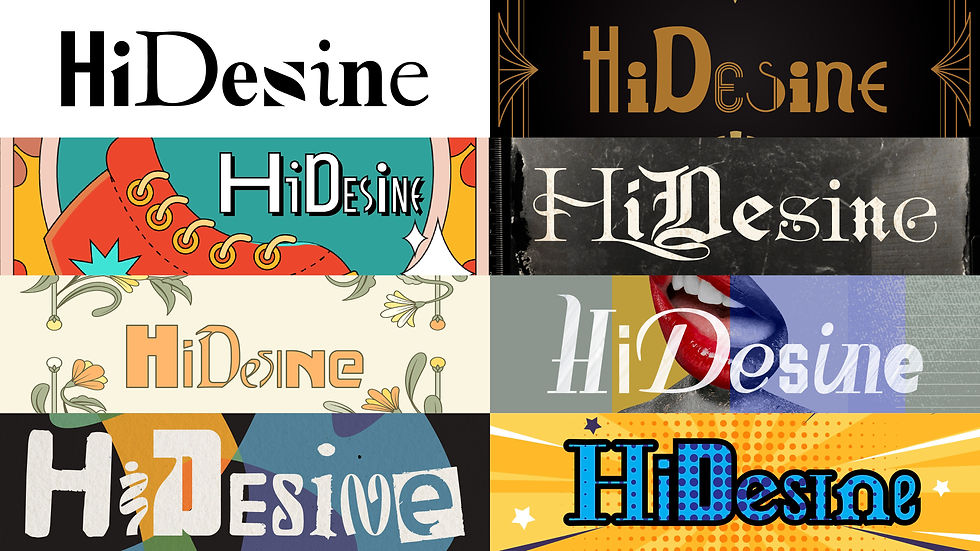
What Kinds of Typography Are There and Why Do They Matter?
Typography is made up of several type categories, each with unique characteristics. Familiarizing yourself with these categories is essential for understanding the tone they convey and how they can align with your project goals:
Serif Fonts
Traditional and timeless, serif fonts feature small lines or strokes (called "serifs") at the end of each letter. They’re ideal for conveying sophistication and formality, making them perfect for law firms, editorial pieces, or upscale brands.

Sans-Serif Fonts
These fonts omit the serifs, offering a cleaner and more modern appearance. They are widely used for digital content and brands with a contemporary, minimalist aesthetic.

Script Fonts
Evoking elegance and personality, script fonts resemble handwriting. They are excellent for logos, invitations, and brands looking to add a personal touch.

Decorative Fonts
Bold and eye-catching, these fonts are designed for creative and expressive purposes. Use them sparingly for headlines or special projects, as they can overwhelm the viewer when overused.

By understanding these categories, you’ll know how to set the right tone for your project and engage your audience effectively.
The Do’s and Don’ts of Typography
Typography is both an art and a science. To create impactful designs, follow these principles:
DO:
Use Hierarchy to Guide the Reader’s Eye: Establishing a clear visual hierarchy ensures your audience knows where to look first. Use larger, bolder fonts for headlines and smaller, simpler fonts for body text.
Prioritize Readability: Ensure proper line spacing, kerning (space between letters), and font size to make text easy to read across devices and formats.
Limit Your Font Choices: Stick to two or three fonts in a single design to maintain a cohesive and polished look.
DON'T:
Overuse Decorative Fonts: While they’re attention-grabbing, decorative fonts are difficult to read in large blocks of text. Save them for headlines or accents.
Neglect Alignment: Inconsistent alignment can make your design appear unprofessional. Stick to a single alignment style (e.g., left-aligned or centered).
Ignore Contrast and Color: Poor contrast can make text illegible. Ensure your typography stands out against its background.
How to Pair Fonts Like a Pro
Font pairing is one of the most overlooked but critical aspects of typography. A well-paired set of fonts creates balance and reinforces your brand’s message.
Here’s how to get it right:
Mix Serif and Sans-Serif: Pairing a serif font with a sans-serif font is a classic combination that achieves a clean yet dynamic look.
Example: Use Times New Roman for headings and Arial for body text.
Play with Weight and Size: Combine bold fonts with lighter ones to establish contrast and visual hierarchy.
Example: Use Montserrat Bold for titles and Montserrat Light for subheadings or body text.
Keep It Consistent: Generally, limit your design or brand guidelines to 2-3 fonts. Too many fonts create visual clutter and dilute your message.
For beginners, free online tools like Google Fonts’ “Font Pairing” feature can help you explore combinations that work well together.
Manipulating Fonts for Branding Impact
Typography isn’t just about selecting a font—it’s about transforming it into a powerful branding tool. Advanced manipulation techniques can help your designs stand out and communicate your brand’s identity more effectively.
Here’s How to Manipulate Fonts Like a Designer:
➡️ In tools like Adobe Illustrator, converting text to outlines allows you to edit the shape of letters and create custom typography.
➡️ Warping text along paths or within shapes can add a unique, artistic flair to your design.
➡️ Fine-tune the spacing between letters (kerning) or across an entire word (tracking) to achieve a polished, professional look.
➡️ Adding subtle gradients or textures can bring depth and dimension to your typography.
These techniques not only enhance your brand's visual identity but also demonstrate creativity and attention to detail—qualities that resonate with your audience.

Improving Your Typography Skills
Want to take your typography skills to the next level? Here are some actionable steps to get started:
Study the Masters: Analyze designs from successful brands and note their typography choices. What fonts do they use? How do they pair them?
Practice Font Pairing Use free resources like Fontjoy or Canva to experiment with font combinations.
Leverage Tools
Platforms like Google Fonts, Adobe Fonts, and Font Squirrel offer free fonts and inspiration for typography enthusiasts.
Seek Feedback
Share your designs with peers or online communities for constructive criticism.
Remember, typography is a skill that improves with practice. The more you experiment, the more confident you’ll become in your font choices.
A World Beyond Typography
Typography is just one element in the vast world of design. While fonts form the foundation of a brand's visual communication, other elements like line, shape, and pattern also play a crucial role. Understanding how these elements interact can elevate your design projects even further.
In our next blog post, we’ll dive into these elements of design and explore how they contribute to creating cohesive and compelling visuals. Stay tuned!
To display the Widget on your site, open Blogs Products Upsell Settings Panel, then open the Dashboard & add Products to your Blog Posts. Within the Editor you will only see a preview of the Widget, the associated Products for this Post will display on your Live Site.
Start your 14 days Free Trial to activate products for more than one post.
icon above or open Settings panel.
Please click on the


Comments